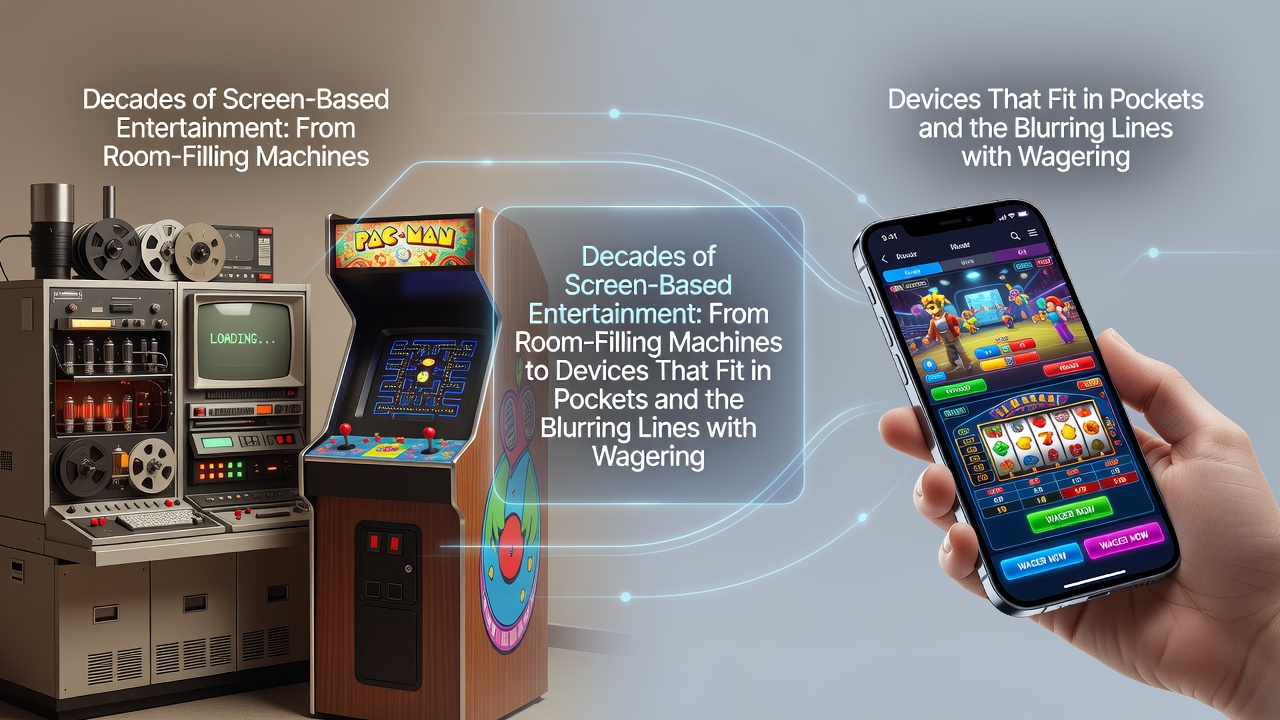
Decades of Screen-Based Entertainment: From Room-Filling Machines to Devices That Fit in Pockets and the Blurring Lines with Wagering
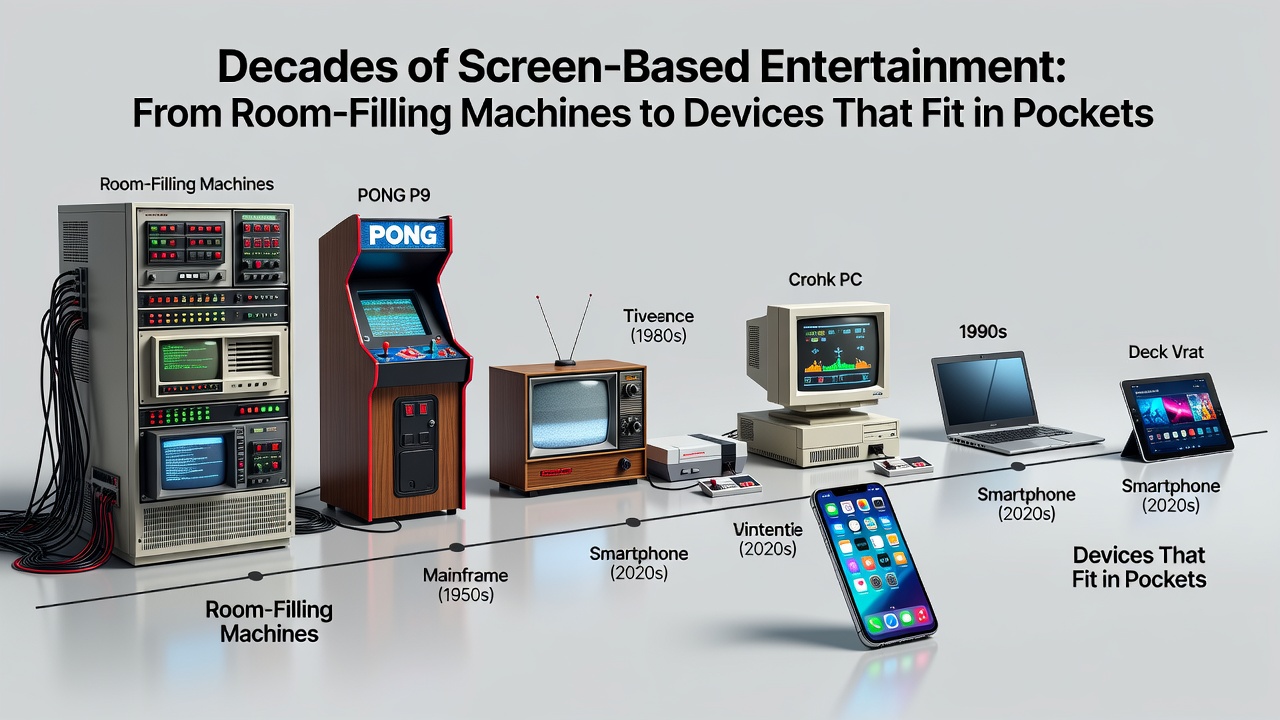
Screen-based entertainment began with massive installations that dominated physical spaces, and researchers trace these origins to the mid-twentieth century when universities and research labs housed early computer systems that filled entire rooms yet delivered simple interactive experiences through cathode-ray tubes. Those setups required teams of operators and dedicated facilities, while players gathered around terminals to engage with basic simulations or strategy games that ran on shared mainframes.
Early Arcade and Console Eras
Commercial arcades emerged in the 1970s and 1980s with cabinets that still occupied significant floor space, and data from industry reports show these machines generated billions in revenue through coin-operated gameplay across North America and Europe. The shift toward home entertainment accelerated when consoles connected to household televisions, reducing the need for dedicated venues while expanding access to millions of living rooms. Observers note that this transition coincided with rapid improvements in graphics processors and memory, allowing developers to create more complex titles that appealed to broader audiences.
Portable Devices Transform Access
Handheld systems introduced in the late 1980s and 1990s further shrank the footprint of gaming hardware, and studies from academic sources indicate that portable consoles achieved widespread adoption because they combined dedicated screens with battery power. The arrival of smartphones in the 2000s completed the miniaturization arc, since these pocket-sized devices combined high-resolution displays, powerful processors, and constant internet connectivity into single units that users carried everywhere. Figures from market analysts reveal that mobile game downloads surpassed console and PC titles combined by the early 2020s, reflecting changes in how people consumed interactive content during commutes, breaks, or downtime at home.
Convergence with Wagering Activities
Lines between traditional gaming and wagering activities have grown less distinct as software platforms integrated real-money mechanics into familiar interfaces, and regulatory filings document the rise of mobile applications that offer both free-to-play options and paid entry for chance-based outcomes. In August 2026, several jurisdictions reported increased participation in digital wagering through smartphone apps that mirror the visual style and controls of popular entertainment titles. Those who track consumer behavior note that features such as loot boxes, battle passes, and seasonal events often mirror structures found in established casino products, prompting discussions among policymakers about classification and oversight.
Industry organizations have compiled statistics showing steady growth in revenue from in-app purchases and virtual currency systems that operate across both entertainment and wagering categories. Research indicates that developers frequently employ similar monetization frameworks, whether the core experience centers on skill-based competition or random reward distribution. Take one analysis conducted across multiple markets that found users who engage with hybrid apps often transition between free entertainment modes and paid wagering features within the same session.
Regulatory and Market Developments
Government agencies in Australia and Canada have published updates on how existing frameworks address digital platforms that blend entertainment with financial risk, and these documents highlight ongoing efforts to distinguish between games of skill and games of chance when applications appear on consumer devices. External links to authoritative reports help illustrate these distinctions: the Australian Institute of Family Studies tracks participation trends across age groups, while data compiled by the Pew Research Center examines how mobile usage patterns influence exposure to both entertainment and wagering content. Observers note that enforcement varies by region, with some areas requiring age verification or spending limits on apps that contain chance elements.
Technological advancements continue to support this convergence, since cloud streaming and 5G networks enable high-quality graphics and real-time interactions on devices that fit in pockets. Market reports project continued expansion through the remainder of 2026, particularly in regions where regulatory clarity has encouraged licensed operators to develop compliant applications. Those who study user demographics report that younger adults represent a significant portion of participants in mobile formats that combine social features with optional real-money components.
Conclusion
The progression from room-sized installations to pocket devices has reshaped how people encounter screen-based entertainment, and the integration of wagering mechanics represents a further evolution that regulators and developers continue to address. Available data show sustained growth in both categories, with platforms adapting to technological capabilities and shifting consumer preferences. Future developments will likely depend on how oversight bodies balance innovation with consumer protection across different jurisdictions.