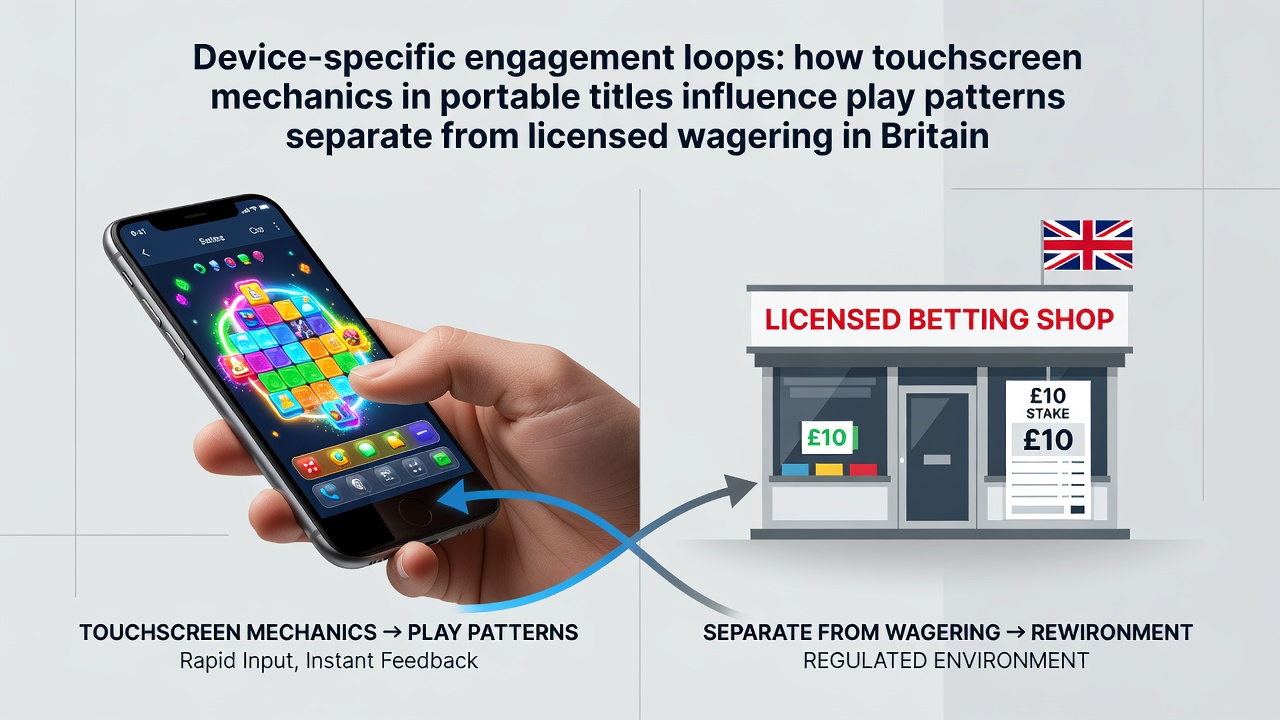
Device-specific engagement loops: how touchscreen mechanics in portable titles influence play patterns separate from licensed wagering in Britain
Touchscreen mechanics reshape session structures
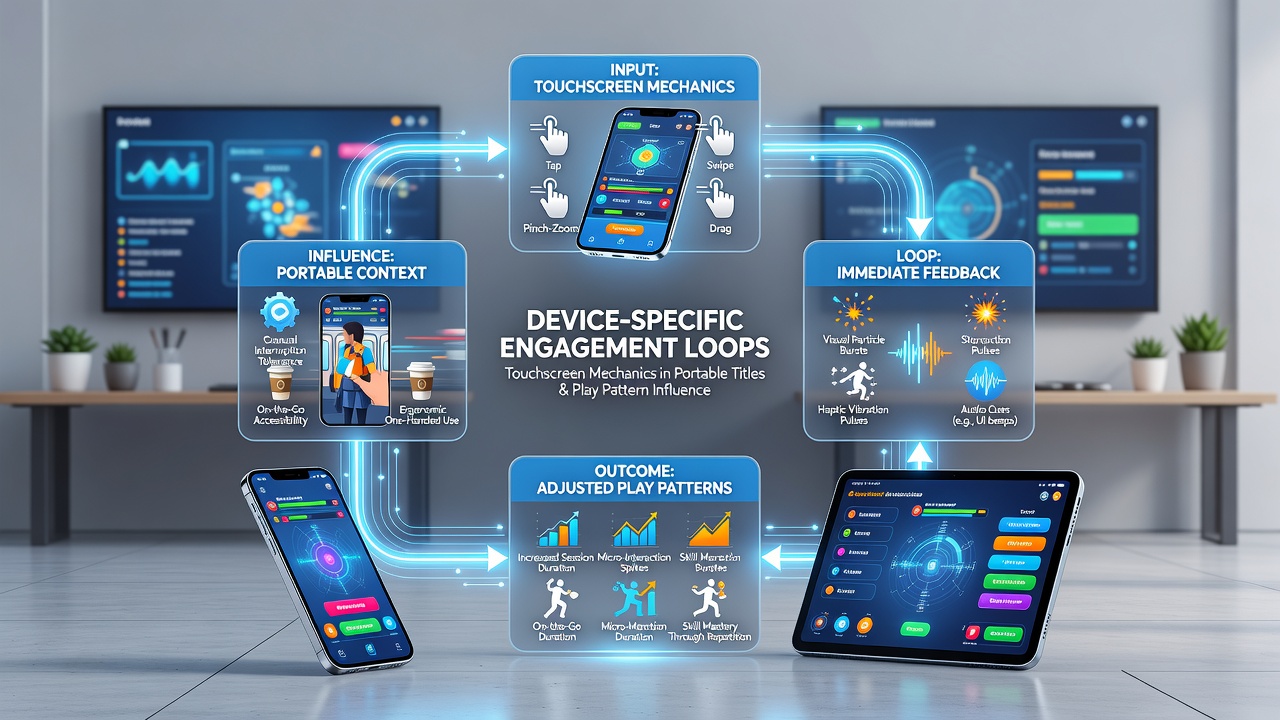
Portable titles on smartphones and tablets rely on direct touch inputs such as taps, swipes, pinches, and drags that create immediate feedback loops between player action and on-screen response, and these mechanics differ markedly from physical button presses or analog sticks used on stationary consoles. Research from the University of Helsinki indicates that gesture-based systems encourage shorter, more frequent play intervals because each interaction requires minimal setup time while delivering instant visual or haptic confirmation. Data collected across European markets shows average mobile session lengths cluster around five to seven minutes, whereas console sessions often extend beyond twenty minutes in the same genres.
Observers note that multi-touch capabilities allow simultaneous inputs like rotating a virtual object with one hand while selecting options with another, which compresses decision-making cycles and sustains attention through rapid micro-rewards. Studies tracking user behavior in titles built around swipe navigation reveal that players complete more discrete actions per minute than they achieve with traditional controllers, leading to denser sequences of cause-and-effect events within each sitting.
Gesture patterns drive repeated engagement cycles
Designers embed loops where a successful swipe or tap triggers progression markers that prompt the next input almost immediately, and this structure keeps players returning to the device throughout the day rather than committing to extended blocks of time. Figures from industry reports compiled by the Interactive Software Federation of Europe reveal that touch-optimized games record higher daily active user counts in the United Kingdom compared with controller-based counterparts, even when total playtime remains comparable. The pattern emerges because touch mechanics lower the barrier to re-entry; a player can resume after a brief pause without recalibrating hardware or navigating complex menus.
One study published in the International Journal of Human-Computer Studies examined retention rates across device types and found that titles relying on simple drag-and-drop systems retained users across more calendar days than those requiring precise timing with physical buttons. Researchers attribute the difference to the intuitive mapping between finger movement and screen element, which reduces learning curves and supports habitual checking of progress during commutes or waiting periods. In Britain, these patterns appear consistently in entertainment software markets and remain distinct from any licensed wagering platforms that operate under separate regulatory frameworks.
Regional data highlights device-specific trends
Statistics gathered by the Australian Communications and Media Authority on mobile entertainment consumption align with UK observations, showing that touchscreen interfaces correlate with fragmented play distributed across multiple short windows rather than single prolonged sessions. European Union market analyses further confirm that gesture-driven progression systems increase the frequency of voluntary returns without altering overall monthly engagement hours. Developers adjust level design accordingly, spacing rewards at intervals that match typical two-to-five-minute interaction bursts common on portable hardware.
Those who study input ergonomics report that prolonged thumb or index finger movements on flat glass surfaces produce different fatigue profiles than grip-based controllers, which in turn influences when players choose to pause or switch activities. The resulting rhythm favors repeated short engagements spread throughout daily routines, a pattern documented in multiple device-comparison trials conducted between 2023 and 2025.
Maintaining separation from regulated activities
Portable entertainment titles built around touchscreen loops operate under content classification systems that explicitly exclude financial staking mechanisms, and this distinction keeps play patterns focused on skill progression and narrative advancement rather than monetary outcomes. Government agencies in Canada and New Zealand publish annual digital media reviews that categorize such games separately from betting services, allowing researchers to isolate engagement data without overlap. In Britain the same separation appears in device usage logs where entertainment applications and licensed platforms record independent session metrics.
Evidence from cross-platform studies demonstrates that players adopt different resumption habits depending on whether the software centers on touch-based puzzle solving or on regulated betting interfaces, even when both run on identical hardware. Touch mechanics therefore shape distinct behavioral signatures that remain measurable and separate from any wagering-related activity.
Conclusion
Touchscreen mechanics in portable titles generate engagement loops characterized by rapid input-response cycles, frequent short sessions, and lowered re-entry barriers that differ systematically from patterns observed in controller-driven or wagering environments. Data across multiple jurisdictions, including reports from the Interactive Software Federation of Europe and academic work from the University of Helsinki, document these device-specific rhythms while underscoring their occurrence within entertainment software categories that maintain clear boundaries from licensed activities in Britain. As hardware continues to evolve, these input-driven patterns offer ongoing material for research into how physical interaction modes influence digital play distribution over time.