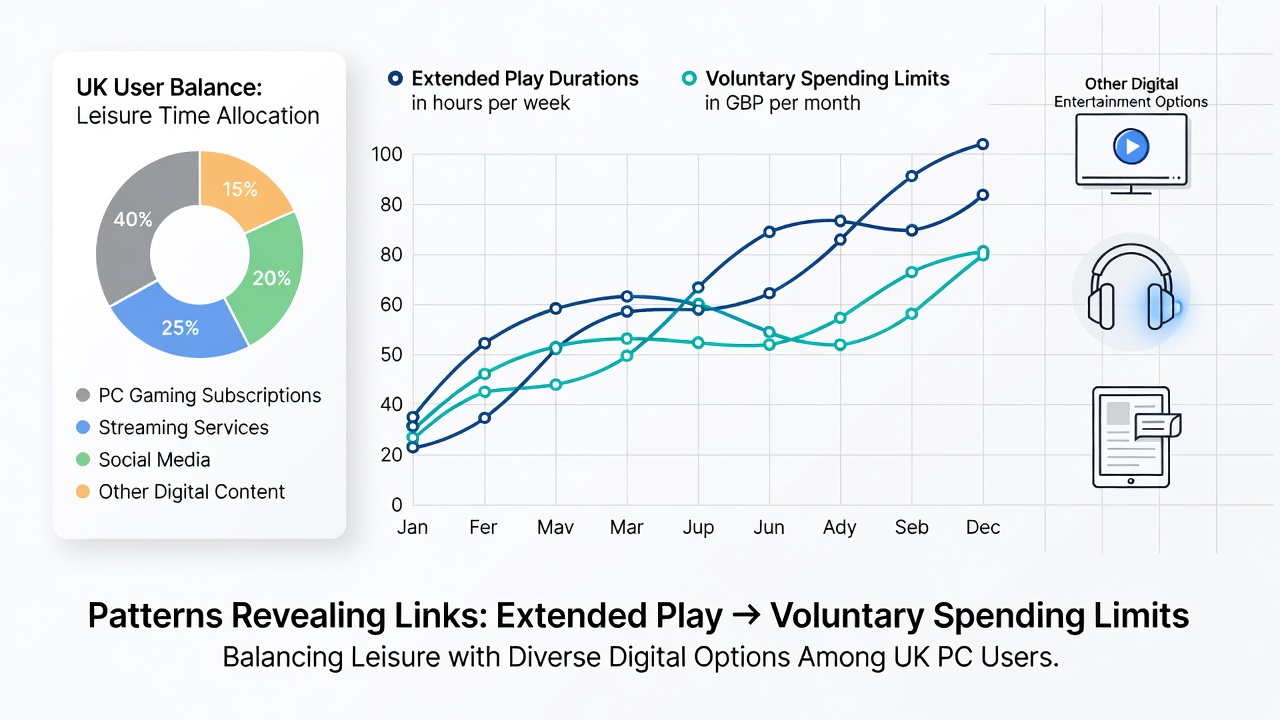
Patterns in Subscription-Driven PC Ecosystems Revealing Links Between Extended Play Durations and Voluntary Spending Limits Among UK Users
Subscription models have reshaped access to PC games across the UK, with services offering libraries that encourage repeated logins rather than one-time purchases. Data collected through 2025 shows users logging longer average sessions when fees cover broad catalogues instead of individual titles, and many apply self-set caps on extra purchases to keep total outlays predictable.
Subscription Growth and Session Length Trends
Platforms such as Xbox Game Pass for PC and similar tiered services expanded their UK subscriber bases steadily through the mid-2020s, according to industry tracking by the Entertainment Software Association. Sessions often stretch beyond two hours per sitting once a monthly fee replaces per-game pricing, because marginal cost per additional title drops to zero. Researchers tracking anonymised telemetry note that extended durations cluster around evenings and weekends, periods when users report fitting gaming alongside streaming services and mobile apps.
Yet the same datasets reveal that longer play does not automatically translate into higher overall expenditure. Participants in multiple surveys describe setting voluntary monthly allowances for cosmetic items or expansion packs, frequently capping those outlays at levels comparable to a single full-price release. This behaviour appears most common among adults aged 25 to 44 who maintain fixed leisure budgets that also cover video-on-demand subscriptions and social media premium features.
Balancing Leisure Options Across Digital Platforms
UK households now allocate time across several screens, and subscription PC gaming sits alongside on-demand video, short-form clips, and cloud-based mobile titles. Time-use studies compiled by European media regulators indicate that individuals who exceed three hours of PC play per day often reduce time spent on linear television or social scrolling rather than increasing total screen hours. The pattern holds when users treat the subscription fee as a fixed entertainment cost and therefore limit additional micro-transactions to preserve headroom for other digital services.
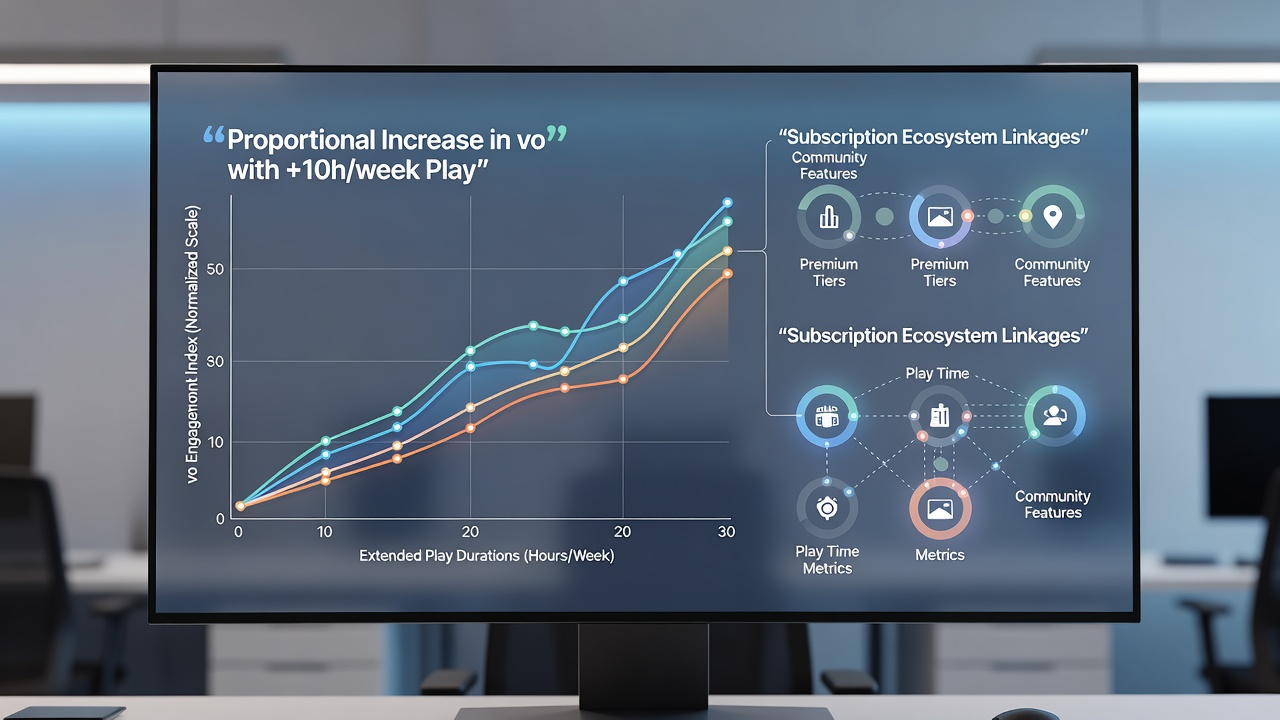
One longitudinal project running from 2023 into 2026 tracked several hundred participants who maintained both a PC subscription and at least two other recurring digital payments. Those who logged the longest weekly playtimes also recorded the most consistent adherence to their self-imposed spending ceilings, suggesting that awareness of elapsed hours prompts tighter control over variable costs. Figures released in September 2026 by academic teams at several UK universities reinforced this correlation without establishing direct causation.
Voluntary Limits and Reported Behaviours
Survey instruments distributed through gaming forums and university panels capture repeated statements about pre-set budgets. Respondents describe reviewing bank statements at month end and adjusting next-month allowances if cosmetic purchases exceeded targets. The practice appears independent of game genre, though competitive multiplayer titles generate slightly higher average session lengths than single-player campaigns within the same subscription tier.
Platform tools that display cumulative playtime receive frequent mentions as helpful prompts for maintaining those limits. When users see weekly totals climb above fifteen hours, many report pausing further in-game acquisitions until the next billing cycle. Observers note that such self-regulation occurs without external mandates, emerging instead from the structure of flat-rate access itself.
Regional Data Comparisons and External Factors
Parallel measurements from North American and Australian markets show similar directional trends, although absolute session lengths differ by time zone and work patterns. In the UK, the presence of widespread fibre broadband correlates with higher subscription uptake and correspondingly steadier voluntary spending discipline. Economic analyses published by the Interactive Software Federation of Europe link these outcomes to transparent pricing rather than to any single demographic variable.
Seasonal spikes appear around major content updates, yet the same users who extend play during those windows rarely exceed their pre-announced spending ceilings. The consistency suggests that subscription frameworks may encourage planning across multiple entertainment categories instead of isolated game-by-game decisions.
Conclusion
Available telemetry and survey responses through September 2026 indicate that UK PC users operating under subscription arrangements log extended sessions while applying self-determined spending boundaries that accommodate competing digital leisure options. Continued collection of anonymised data will clarify whether these patterns persist as catalogue sizes and cross-platform features evolve.